
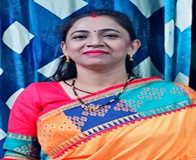
Dr. Preeti Verma - Associate professor and Head of Department
Dr. Bhimrao Ramji Ambedkar Medical College, Kannauj
Community medicine deals with the study of health and diseases in the population of defined communities and comprises those doctors who try to measure the basic needs of the population (both sick and well), who plan, administer services and evaluate health programs to effectively meet the needs. These doctors also engage in teaching and research in the field. The main aim of community medicine is to provide services for prevention of diseases, promotion of health and provision of primary medical care, whereas other branches of medicine largely provide diagnostic and treatment services to patient.
The department is having well qualified, experienced and dedicated faculties and other staff. The departmental museum contains various models, posters, equipment’s, vaccines, insecticides and drug for demonstration to the MBBS students. The department has seminar room and demonstration room for undertaking the academic activities. There also exists a student library with latest books & journals.
Department also having two community health centers: one is rural health training center at Tirwa and the other is Urban health training center at Kannauj. These community centers provide O.P.D services and maternal and child health care services. The aim of community health centers is to provide field exposure to MBBS and post graduate students. Under the FAP each student is allotted 5 family, so that they can interact with the people of their allotted family, understand their basic health problems, educate them regarding disease prevention & health promotion. They also make them aware regarding various health facilities provided by the government.
The department of community medicine also running immunization clinic, NCD Clinic and rabies clinic. There are numbers of projects, research work are going on in the departments. Besides the UG teaching, the post graduate course also started in 2024, currently 2 pg batches with 3 post graduate students in each year.
Faculty
| Sr. No. | Name | Designation | Qualification | Contact |
|---|---|---|---|---|
| 1 | Dr. D.S. Martolia | Professor & Head | MBBS, MD | dr.martolia10@gmail.com |
| 2 | Dr. Preeti Verma | Associate Professor | MBBS, MD | dr.preetivermakgmu2002@gmail.com |
| 3 | Dr. Saif Anees | Assistant Professor | MBBS, MD | saif.anees@gmail.com |
| 4 | Dr. Awadhesh Kumar Verma | Assistant Professor | MBBS, MD | vermaawadhesh2004@yahoo.com |
| 5 | Dr. Vaibhav Singh | Assistant Professor | MBBS, MD | vibby.mln5015@gmail.com |
| 6 | Dr. Kunver Viresh Singh | Assistant Professor | MBBS, MD | kunversingh16@gmail.com |
| 7 | Dr. Jamil Raazi | MOH cum Asst. Professor | MBBS, MD | dr.jamilraazi@gmail.com |
| 8 | Dr. Ayesha Kriti Rehman | MOH cum Asst. Professor | MBBS, MD | dr.ayeshakrahman@gmail.com |
Junior Residents
| Sr. No. | Name | Contact |
|---|---|---|
| 1 | Dr. Ritesh Verma | riteshvermagood@gmail.com |
| 2 | Dr. Shiv Bahadur | shivyadav.sy81@gmail.com |
| 3 | Dr. Harsh Kumar Prajapati | harshprajapati662@gmail.com |
3. Infrastructure
The department is equipped with facilities that support high-quality teaching, training, outreach, and research.
Well-equipped Museum featuring models, charts, epidemiological tools, and exhibits related to public health, environment, nutrition, vector biology, health communication, and national health programmes.
Dedicated Seminar Room with audio-visual aids for small-group teaching, presentations, CMEs, and academic discussions.
Faculty Rooms, Demonstration Rooms, and Departmental Library, with updated textbooks, guidelines, and national program manuals, post graduate lab.
Computer and Data-Analysis Facilities supporting research, surveys, and epidemiological studies.
4. Spectrum of Activities
The department actively participates in teaching, training, field practice, community outreach, and implementation of national health programs. Major functional areas include:
Undergraduate teaching (theory, practical’s, field visits, family studies).
Epidemiological and public health research involving community surveys and program evaluations.
National Programme support and training, including NCD, RNTCP, RCH, immunization, NVBDCP, NPCBVI, and others.
Health camps, school health activities, and community awareness programs conducted regularly through field practice areas.
Rural Health Training Centre (RHTC)
Located in a rural setting, the RHTC provides primary healthcare services and supports training in rural health systems.
Key activities include:
- General OPD services
- Maternal and child health services
- Antenatal care, immunization, and family welfare services
- Vector-borne disease surveillance
- Community outreach and home-based visits
- Health awareness and sanitation programs
Urban Health Training Centre (UHTC)
The UHTC serves urban and peri-urban populations, offering training in urban health issues.
Key services include:
- General OPD
- NCD screening & follow-up
- Maternal and child health services
- Urban health outreach, slum health services, and health education activities
5. Special Clinics & OPD Schedule
The department runs dedicated public health–oriented clinics as part of Community Medicine service delivery:
I. Anti-Rabies Clinic (ARC)
Services:
- Post-exposure prophylaxis (PEP)
- Pre-exposure prophylaxis (PrEP)
- Counseling and wound management
Schedule: Daily (Monday–Saturday), during OPD hours
II. Non-Communicable Disease (NCD) Clinic
Services:
- Screening for hypertension, diabetes, oral cancer, breast cancer
- Follow-up and counseling
- Lifestyle modification and risk-factor education
Schedule: Daily (Monday–Saturday), during OPD hours
III. Immunization Clinic:
Services:
- Routine immunization under the Universal Immunization Programme (UIP)
- Vaccination for infants, children, adolescents, and pregnant women
- Counseling on vaccine-preventable diseases
- Monitoring of vaccine adverse events
Schedule: Schedule: Daily (Monday–Saturday), during OPD hours
6. Events and Activities
The department organizes various academic and community events throughout the year, such as:
- World Health Day celebrations
- National Nutrition Week activities
- World AIDS Day
- World TB Day,
- NCD awareness camps
- School health sessions
- CME programs and faculty development workshops
- Village adoption and community outreach programs
- Immunization drives and health camps
- Family Adaptation Programme
These events strengthen community participation, improve health awareness, and give students real-world exposure