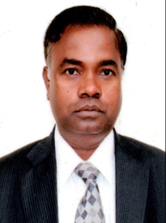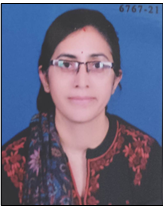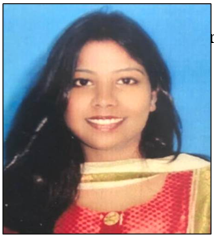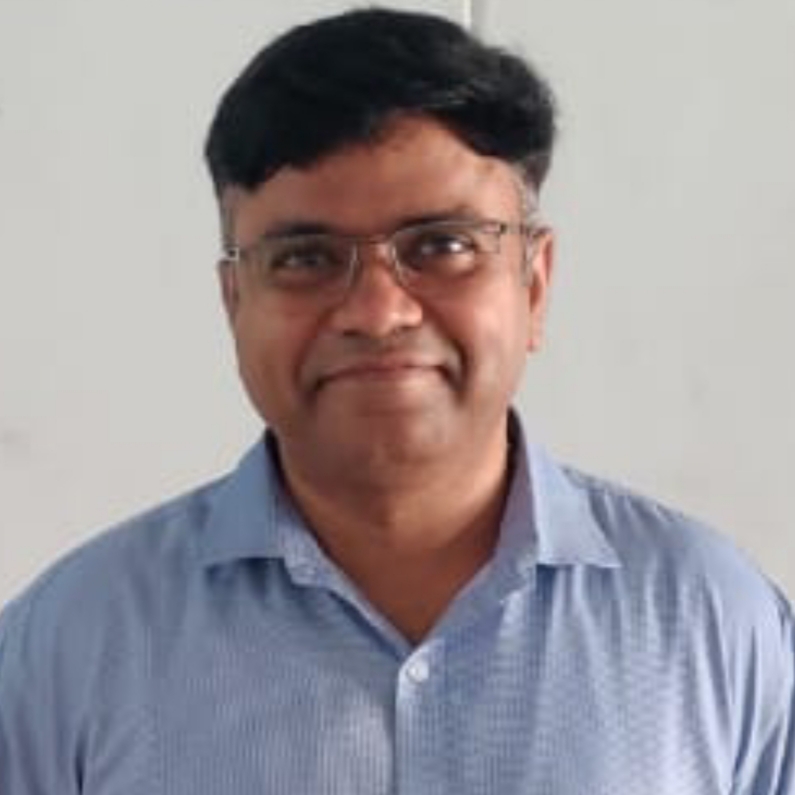
Dr. Anuj Tyagi – Head of the DepartmentDr. Bhimrao Ramji Ambedkar Medical College, KannaujWelcome to the Department of Microbiology at Dr. Bhimrao Ramji Ambedkar Government Medical College, Kannauj. As the Head of the Department, I am proud to lead a team focused on excellence in education, research and infection control. We aim to create an Indian Medical Graduate with accurate knowledge in Microbiology and who can provide timely diagnostic facility in the community working in harmony with nature. Our mission is also to equip students with the essential knowledge and skills to tackle infectious diseases which are increasingly critical in todays healthcare landscape. We offer a competency based curriculum as per NMC to prepare future medical proffesionals for the challenges of diagnosing and managing infections. Our Department also contributes to cutting-edge research and plays a key role in ensuring patient safety through robust infection control practises. The Department of Microbiology is committed to excellence in teaching, diagnostics, research and infection control. Since its inception, the department has played a pivotal role in providing high-quality microbiological services to support patient care across all clinical departments, while simultaneously training future medical professionals in the foundations of infectious diseases and laboratory medicine. Our department encompasses the major disciplines of Microbiology, including Bacteriology, Virology, Parasitology, Mycology, Serology & Immunology, as well as Molecular Diagnostic techniques, ensuring comprehensive laboratory support for accurate and timely diagnosis. We follow standard operating procedures aligned with national guidelines (ICMR, NCDC, NABL standards where applicable) to ensure reliability and quality of results. In academics, the department is actively involved in training MBBS students, Post graduates and Paramedical students, with a strong focus on practical skills, problem-based learning, and integration with clinical subjects. The teaching program is continually updated as per the NMC competency-based curriculum. The department also engages in research activities, surveillance of hospital-acquired infections, antimicrobial resistance monitoring, and supports the Hospital Infection Control Committee (HICC) in implementing infection-prevention practices throughout the institution. With a dedicated team of qualified faculty, well-equipped laboratories, and a commitment to ethical and evidence-based practice, the Department of Microbiology continues to contribute significantly to patient care, medical education, and public-health initiatives in the region.
SPECTRUM OF ACTIVITYThe Department of Microbiology at Dr. Bhimrao Ramji Ambedkar Government Medical College, Kannauj undertakes a wide range of academic, diagnostic, research and public-health activities to support patient care and medical education. The department functions as an essential backbone of the hospital by providing reliable laboratory services and implementing infection-control practices. 1. Diagnostic Laboratory ServicesThe department provides routine and advanced microbiological investigations, including: Bacteriology
Serology & Immunology
Parasitology
Mycology
Virology
2. Academic & Teaching Activities
3. Infection Prevention & Hospital Surveillance
4. Antimicrobial Stewardship (AMR/AMS)
5. Research & Academic Projects
6. Public Health & Community Support
OPD Schedule (IF APPLICABLE): Not Applicable Events (Upcoming/Ongoing): Nil |
||||||||||||||||||||||||||||||